

India’s Draft Patent Office Manual 2026: What has changed and what patent practitioners should watch
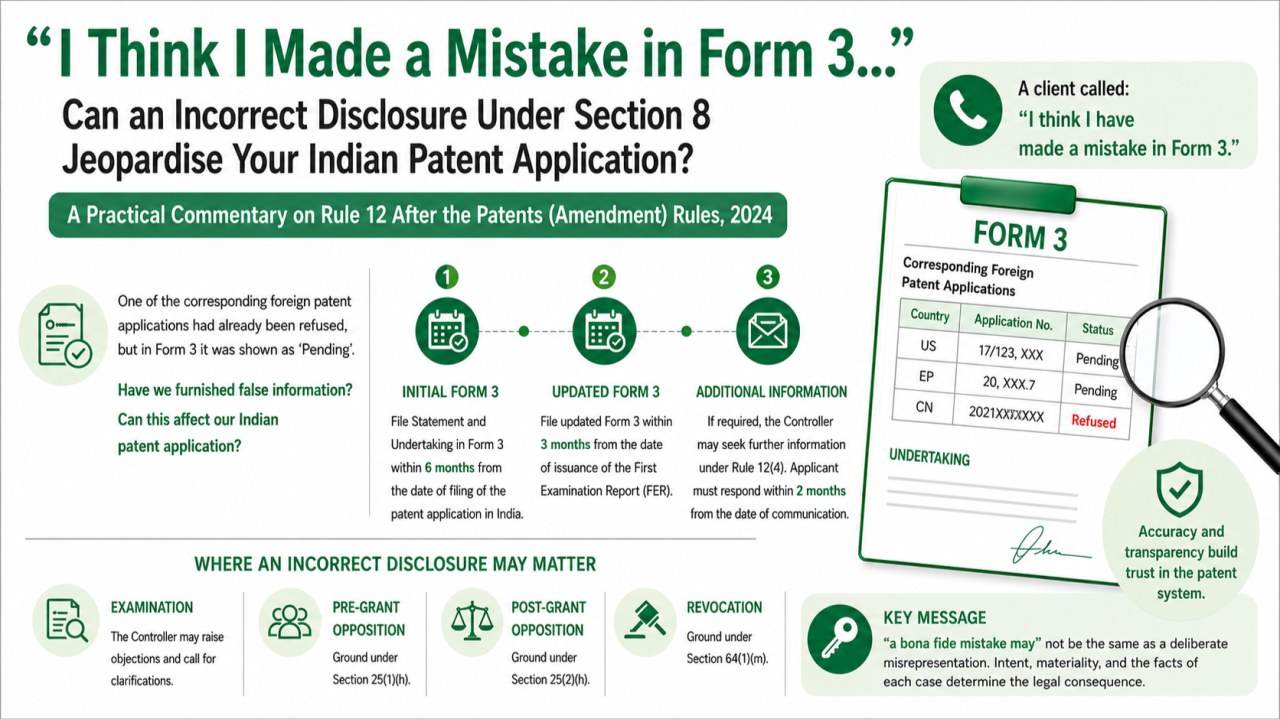
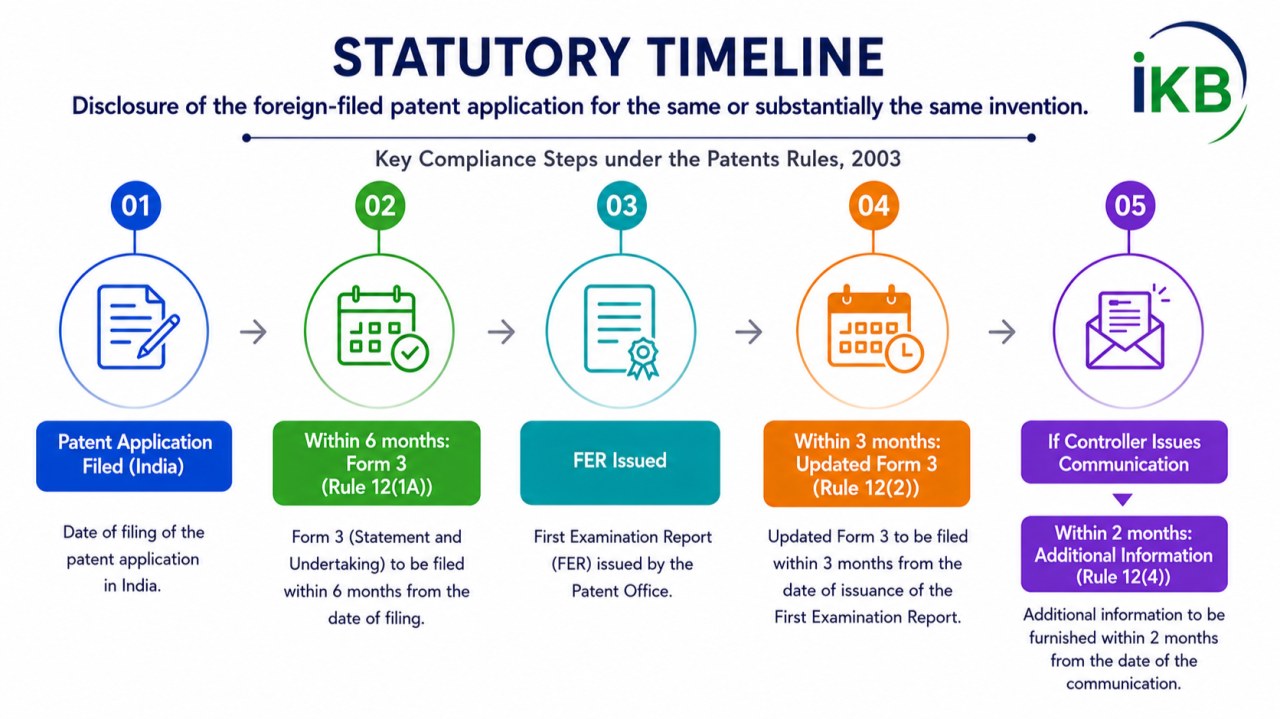
Introduction The Indian Patent Office has released the Draft Manual of Patent Office Practice & Procedure, Version 4.0 (2026) for stakeholder consideration. The Draft Manual is intended to replace the existing Manual of Patent Office Practice and Procedure, Version 3.0 (2019) and reflects the significant changes that have taken place in Indian patent practice during the intervening years. Official IP India – Patent Office Manuals The revision was perhaps overdue. Since the 2019 Manual, Indian patent practice has undergone substantial changes through amendments to the Patents Rules, particularly the Patents (Amendment) Rules, 2024 , changes in the institutional framework following the abolition of the Intellectual Property Appellate Board, increasing reliance on electronic processing, and a growing body of judicial decisions from the Supreme Court and High Courts. The Draft Manual itself acknowledges these developments. It explains that the Patent Office has undergone significant automation and electronic transformation and that the revision has been undertaken in view of amendments to the Rules, re-engineering of patent procedures and increased automation. Importantly, it also clarifies that the Manual is intended as a practical guide and does not have the force of law. The Draft therefore represents more than an administrative update. It provides an opportunity to examine whether Indian patent prosecution practice has evolved sufficiently to meet the needs of today's applicants, patent professionals, technology companies, research institutions and international associates. This article considers the principal changes and, more importantly, some areas where further clarification could make the Manual more useful in day-to-day patent prosecution. From Version 3.0 to Version 4.0 The 2019 Manual was prepared in an environment materially different from the present one. Since then, several important procedural changes have been introduced. The 2026 Draft continues the broad architecture of the earlier Manual but updates it to reflect current statutory provisions, amended Rules, electronic workflows and judicial developments. One of the most visible structural changes is the creation of a separate…
TM